
How long should a timing belt last? Does it really need replacing every 8 to 10 years? What happens if you drive past the manufacturer’s recommended interval?
We hear these questions regularly at The Garage, and they matter, especially if you plan to keep your vehicle for many more years.
The timing belt sits hidden inside the engine, quietly doing its job every time you start your car. When replacement time comes, the cost can leave owners wondering whether it’s really necessary, particularly when the car seems to be running perfectly.
After more than 50 years in the auto repair industry, we’ve learned that some of the most valuable maintenance services are the ones that prevent problems you never get to experience. Timing belt replacement is a perfect example.
What Is a Timing Belt, and Why Is It So Important?
Your engine depends on the crankshaft, which moves the pistons up and down, and the camshaft, which opens and closes the valves, working in precise sync.
The timing belt keeps them synchronized. It’s a reinforced rubber belt with teeth that connect the crankshaft and camshaft sprockets, so the valves open and close at exactly the right moments. On some engines, it also drives the water pump.
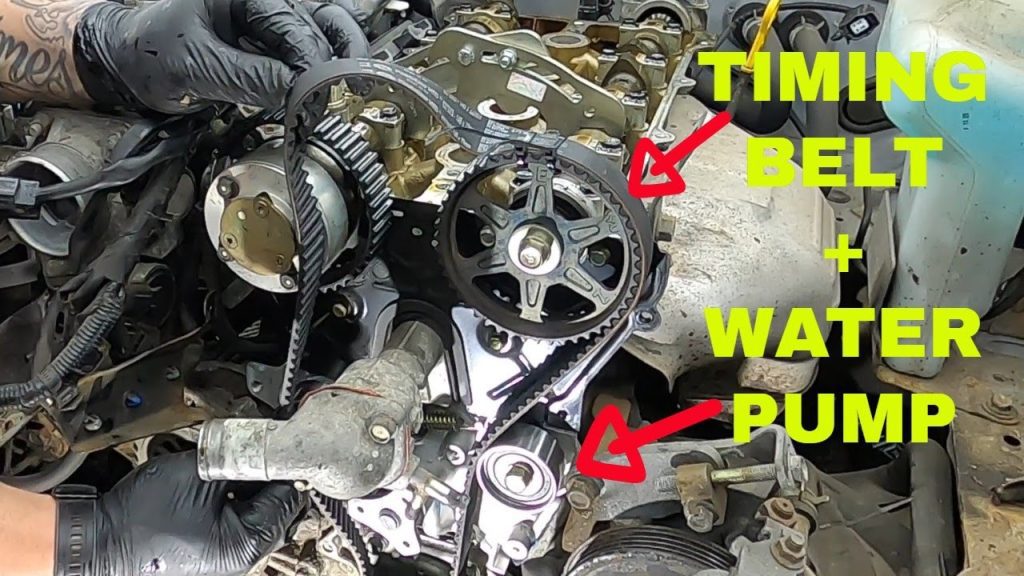
What Happens When a Timing Belt Breaks?
If the timing belt breaks or loses its timing, the engine will generally stop running. How much damage follows depends on the engine’s design.
In an interference engine, the pistons and valves share some of the same space at different points in the cycle. When the belt fails, the pistons can collide with the valves, causing bent valves, damaged pistons and serious internal damage. Repairs can be extremely expensive, sometimes requiring a replacement engine or a full engine rebuild.
A non-interference engine has enough clearance to generally prevent that collision, but a failure can still leave you stranded with towing costs and an unexpected repair.
The American Automobile Association (AAA) explains the differences between interference and non-interference engines and why following recommended replacement intervals is so important.
How Long Does a Timing Belt Really Last?
You may have heard every 100,000 km. Others say 150,000 km or every 10 years. The correct answer depends on the vehicle, the engine and the manufacturer’s maintenance schedule.
What Do Vehicle Manufacturers Recommend?
Recommendations vary between manufacturers, and sometimes between models from the same brand. For example:
Subaru: Subaru Canada’s 2012 maintenance schedule recommends replacing camshaft drive belts on certain engines, including turbocharged models, every 160,000 km or 10 years, whichever comes first. See the Subaru Canada maintenance guide.
Mazda: The 2002 Mazda MX-5 Miata calls for timing belt replacement every 96,000 km. See the official Mazda MX-5 maintenance schedule.
Some vehicles have timing belts, others have timing chains, and requirements vary considerably. We recommend starting with the manufacturer’s schedule, then considering the vehicle’s age, service history, driving conditions and how long you plan to keep it.
Why Age Matters Just as Much as Mileage
Consider two vehicles: one is six years old with 150,000 km, the other is fifteen years old with only 70,000 km. Depending on the engine and its schedule, either one could be due for a new timing belt.
Timing belts are made from rubber compounds and internal reinforcing materials that age with heat, temperature changes and time, even in vehicles that spend much of their lives parked.
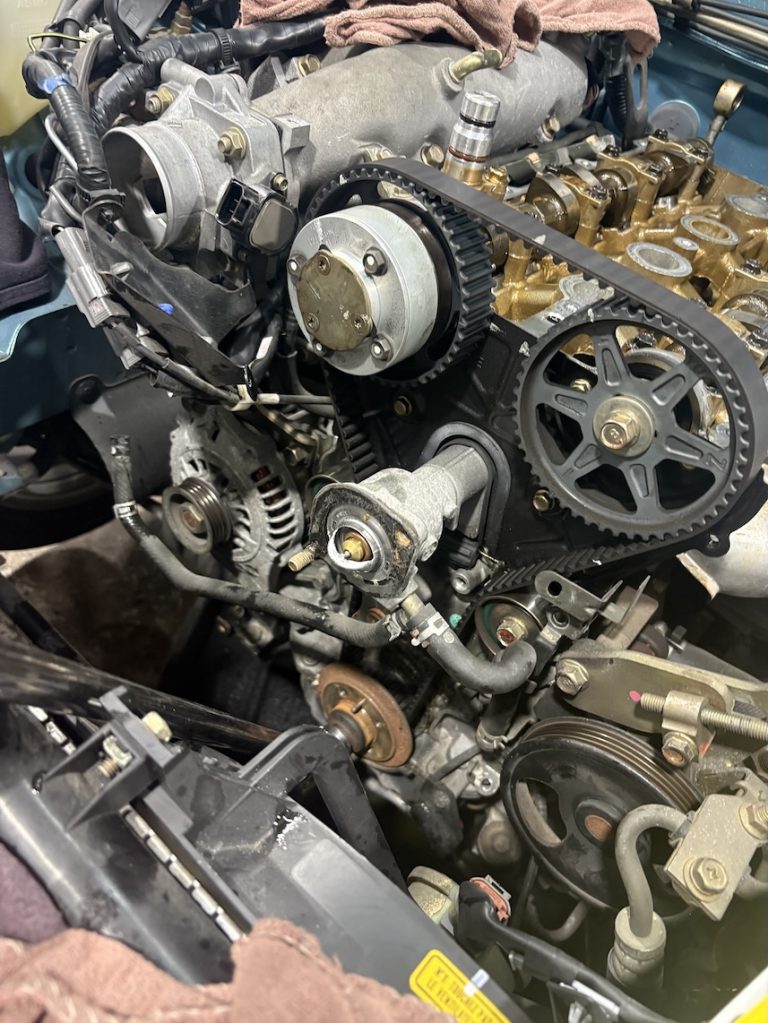
Continental, one of the world’s major automotive belt manufacturers, addresses this in its technical guidance on timing belt replacement, explaining that belts can age significantly from years of changing temperatures, even when they look to be in good condition.
Low mileage does not automatically mean your timing belt has plenty of life left. If you drive an older vehicle and don’t know when the belt was last replaced, it’s worth reviewing the maintenance history with a qualified technician.
Timing Belt Myths: What Do Vehicle Owners Believe?
Spend some time in online car forums and you’ll find plenty of opinions about replacement intervals and whether preventative replacement is worth the cost. Here are the most common beliefs we hear.
Myth 1: “My Car Has Low Mileage, So the Timing Belt Should Be Fine”
In a Reddit discussion among Mazda Miata owners, one owner said their timing belt had been replaced about 10 years earlier, but the car had travelled only 1,000 km since. Was another replacement really necessary?
Opinions varied. Some recommended replacing the belt because of its age, while others felt the low mileage and non-interference engine made waiting a reasonable risk.
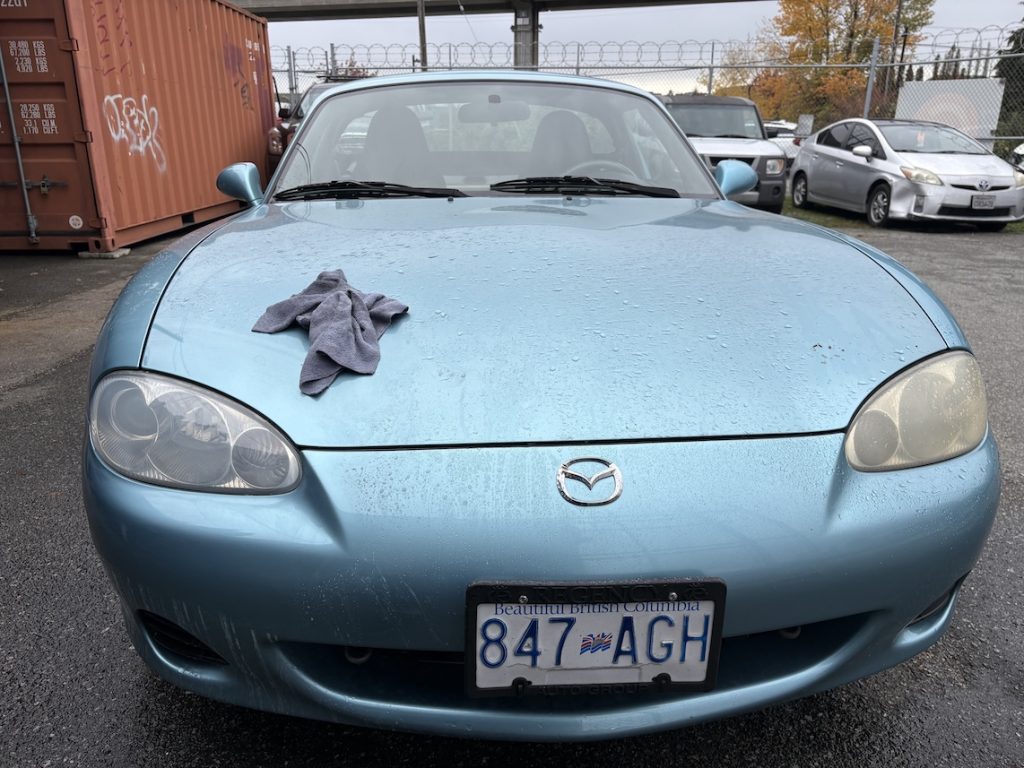
From our perspective, the starting point is always the vehicle’s maintenance requirements and the potential consequences of a failure. If you intend to keep your vehicle for another 10 years, establishing a reliable maintenance history is a worthwhile investment.
Myth 2: “Timing Belts Hardly Ever Break”
Timing belts can last beyond their recommended intervals, and some drivers report going well past them without a problem.
In another Reddit discussion about whether timing belts actually fail, owners and mechanics shared mixed experiences. Some described belts outlasting their schedules; others stressed preventative replacement, particularly on interference engines.
One belt lasting longer than expected is good news for that owner, but it says nothing about how long yours will last. Manufacturers set replacement intervals to manage the risk of failure under expected operating conditions.
Myth 3: “The Timing Belt Looks Fine, So It Doesn’t Need Replacing”
Unlike tires or brake pads, timing belts aren’t easy to judge by visible wear. An inspection can reveal cracking, contamination or damaged teeth, but the internal reinforcement can deteriorate without obvious signs. Continental’s guidance makes the same point.
A timing belt can look healthy and still be due for replacement. That’s why knowing when it was last replaced is so valuable.
Myth 4: “If the Timing Belt Starts Failing, I’ll Hear a Noise”
Worn tensioners or pulleys can sometimes make unusual noises, but a timing belt can also fail without any obvious warning. Waiting for a noise is not a reliable maintenance strategy.
What 50 Years of Auto Repair Experience Has Taught Us
We regularly work with owners who plan to keep their cars for another five, ten or even fifteen years, and we love seeing vehicles reach 200,000 km, 300,000 km and beyond. That kind of longevity depends on thoughtful maintenance.
A Real Example: Our 2013 Subaru Forester XT Rescue
We recently worked on a 2013 Subaru Forester XT that came into our Burnaby shop for its routine timing belt replacement. During the service, we also found a problem with the engine’s Variable Valve Timing (VVT) oil control system. Carbon and sludge buildup were restricting the oil flow needed to operate the camshaft timing components correctly.
We completed the timing belt service and the VVT repairs, restoring the vehicle’s performance and reliability. Read the full story: 2013 Subaru Forester XT: Timing Belt and VVT System Rescue.
The timing belt was scheduled maintenance; the VVT issue was an extra problem our technicians caught while the engine was open. Both served the same goal: protecting the engine for years to come.
The Real Cost of Neglected Maintenance
Oil sludge, contaminated fluids and neglected engine systems can all shorten a vehicle’s life. We’ve shared real customer examples, including a Subaru engine repair involving contaminated oil and damaged timing-related components, in 5 Top Car Maintenance Shockers You Probably Never Thought About.
Why Timing Belt Replacement Often Involves More Than the Belt
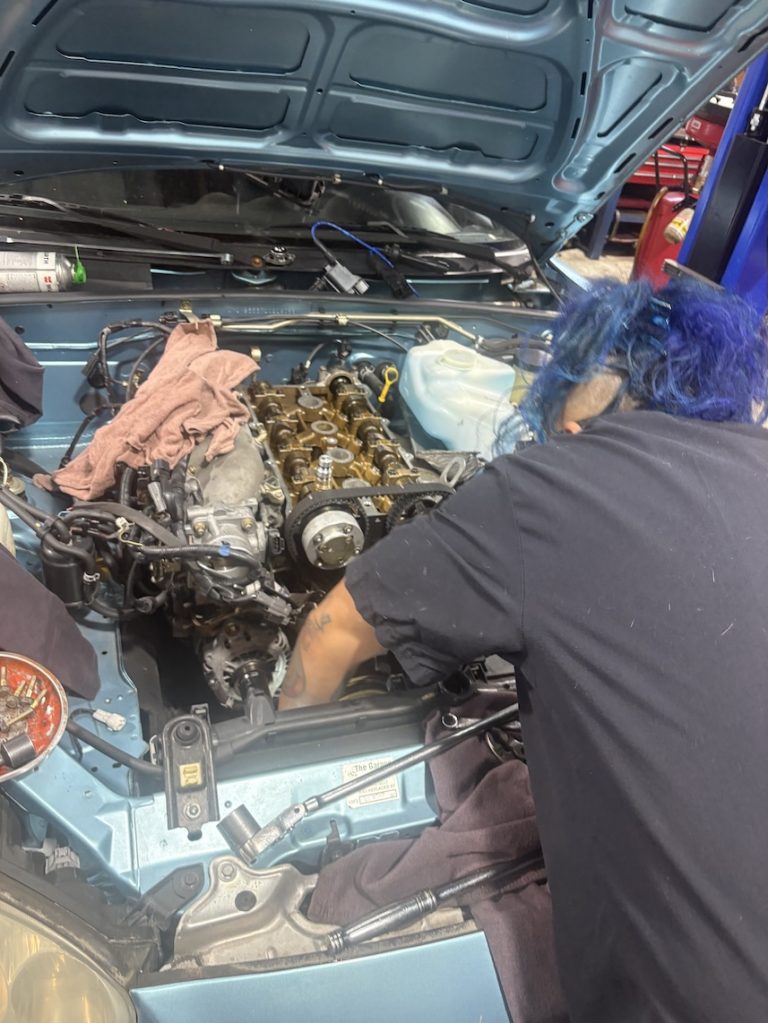
Customers sometimes wonder why a rubber belt requires such an involved service. The answer is access: depending on the engine, the technician may need to remove engine covers, accessory belts, pulleys and other components to reach it. Once there, it makes sense to deal with the parts around it.
Timing Belt Tensioners and Idler Pulleys
Tensioners keep the belt at the correct tension, and idler pulleys guide it along its path. Both contain bearings that wear over time. If one fails, the belt can lose tension, jump teeth or break, which is why Continental recommends renewing tensioners, idlers and guide pulleys as part of a complete timing belt service.
Water Pump Replacement
On many engines, the timing belt drives the water pump, whose bearings and seals deteriorate with age and mileage. Gates offers complete timing belt replacement kits with water pumps for exactly this reason. Replacing them together reduces the chance of another failure and avoids paying the same labour twice later.
Seals and Other Related Components
Technicians may also check crankshaft and camshaft seals for leaks, since oil contamination can damage timing belt materials. If you plan to keep your vehicle for another decade, a thorough, properly performed service makes excellent financial sense.
Timing Belt Versus Timing Chain: What’s the Difference?
Many modern engines use a metal timing chain instead of a belt. Chains run inside the engine, lubricated by engine oil, and are often designed to last without scheduled replacement.
Chain tensioners and guides can still wear, sometimes causing unusual noises, timing faults or performance problems. Clean engine oil and regular maintenance at the correct intervals are especially important for timing chain engines. Knowing which system your engine uses is part of building the right maintenance plan.
Buying a Used Vehicle? Check the Timing Belt History
Before buying an older vehicle, find out whether it has a timing belt and, if so, when it was last replaced. A car might look great, drive perfectly and have low kilometres, but if it’s 12 or 15 years old with its original belt, it may be due for an important service.
What Should You Look For?
Ideally, the seller can provide service records showing:
- When the timing belt was last replaced
- The vehicle’s mileage at the time
- Whether the tensioners and related components were replaced
- Whether the water pump was serviced, if applicable
- Which repair shop performed the work
Sometimes there’s a sticker under the hood noting when the belt was replaced, but full documentation gives a much clearer picture.
What If There Are No Maintenance Records?
Have the vehicle assessed by an experienced technician with a pre-purchase vehicle inspection. Depending on the engine, age and mileage, preventative replacement may be the most sensible option, especially if you plan to keep the car for years. An inspection can also catch other maintenance needs before they become expensive problems.
The Garage’s Advice: Protect Your Vehicle Before Problems Develop
Many people are keeping their vehicles longer, and with the right maintenance, many modern cars deliver reliable service well beyond 200,000 km. Timing belt replacement fits naturally into that approach: it protects the engine before a major problem occurs.
Our advice is simple:
- Know whether your vehicle has a timing belt.
- Understand the manufacturer’s recommended replacement interval.
- Pay attention to both age and mileage.
- Keep a record of completed services.
- If you’re unsure about your vehicle’s history, ask an experienced technician to help you build a plan.
The most valuable maintenance services are often the ones that help you avoid unexpected problems altogether.
Need Timing Belt Service in Burnaby?
Whether your vehicle is approaching its timing belt interval, you’ve just bought a used car, or you plan to keep your current vehicle for another decade, we’re happy to help. Our team can review your maintenance history, assess your vehicle’s condition and recommend the services that will protect your investment.
📅 Book your service with us today
📍 Located in Burnaby, BC
The Garage: we’re here to help you drive with confidence!